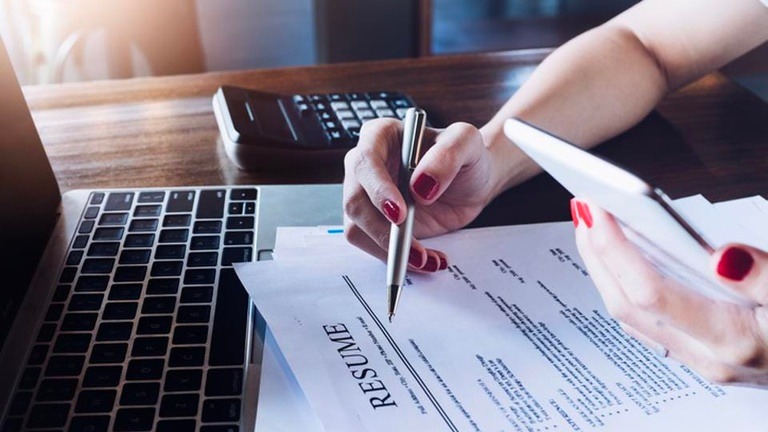
How to Create an Impressive Resume
Your resume is arguably the most valuable piece of paper for your career. But this document can be daunting for many. Maybe you’re not sure how to fit in all your information onto one page. Maybe you’re not sure about the right way to format and write your resume. Maybe you don’t even know what the heck a resume is!
Whatever your concern, we’ll break down everything you need to know about making the perfect resume, from scratch.
What Is a Resume?
A resume is a summary of your career, whether yours is just getting started or has been going on for years. Coming in at around one page in length (two only under specific circumstances), it showcases the jobs you’ve held and currently hold, the responsibilities you’ve taken on, the skills you’ve developed, and the qualities you bring to the table as an employee. Together, those things make it super easy for any hiring manager to see your qualifications and fit for a role.
For all the work you may put into writing one, hiring managers actually spend very little time—mere seconds in many cases—looking at your resume. But despite this sad fact, it’s safe to say that creating a great resume (rather than hastily throwing one together) still matters.
“If you miss the mark, your resume may never be read. Even worse, you might be removed from the applicant pool by a computer before a human even knows you exist,” says Muse career coach Heather Yurovsky, founder of Shatter & Shine. So you want to get it right because, as she explains, isn’t the goal to “spend less time looking for a job and more time in a role you love?”
You might be wondering if you can lean on your LinkedIn profile instead of writing a resume. The answer, sadly, is no. Most hiring managers still expect you to submit a resume, even if they also look at your LinkedIn. Even if you don’t need a resume for a job you’re applying for now, you’re going to need one at some point in your career—they’re not anywhere close to going out of style. So it’s best to always have one at the ready should an opportunity pop up.
And although LinkedIn has plenty of benefits, a resume has one clear advantage: While your LinkedIn is usually a broader picture of your career trajectory, your resume gives you the opportunity to tailor your career story to a specific role or company (more on that later).
Trending Posts
-
 5 Points for Great Interview
20 Jul 2022
5 Points for Great Interview
20 Jul 2022
-
 Tips to Prepare for Interview
20 Jul 2022
Tips to Prepare for Interview
20 Jul 2022